Check Tire Readiness
Look at tire condition and pressure before leaving, especially when the bike has been parked for several days.
Rydessa Commuter Tips
A smoother commute is built from small decisions made before the wheels start moving. Route awareness, visibility, weather preparation, carrying setup, security, tire readiness, and regular maintenance can all make everyday cycling feel more organized and predictable.
Before Leaving
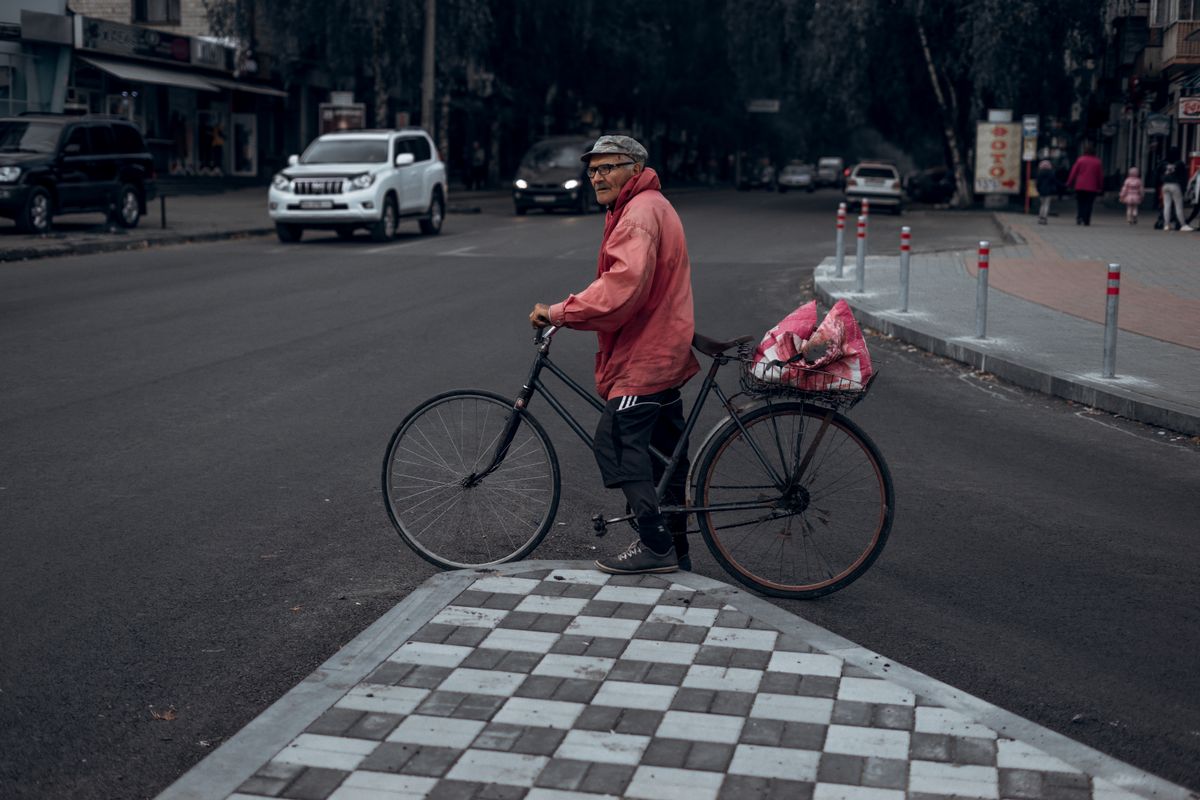
A short inspection before the commute can reveal loose accessories, low tire pressure, weak lighting, or an unsecured load before those details become distractions on the road.
Look at tire condition and pressure before leaving, especially when the bike has been parked for several days.
Confirm that front and rear lights are charged, securely mounted, and positioned where they remain visible.
Check bags, panniers, baskets, straps, bottles, and phone mounts before entering traffic.
Keep a compact repair setup available for common puncture, inflation, or adjustment needs.
Street Awareness
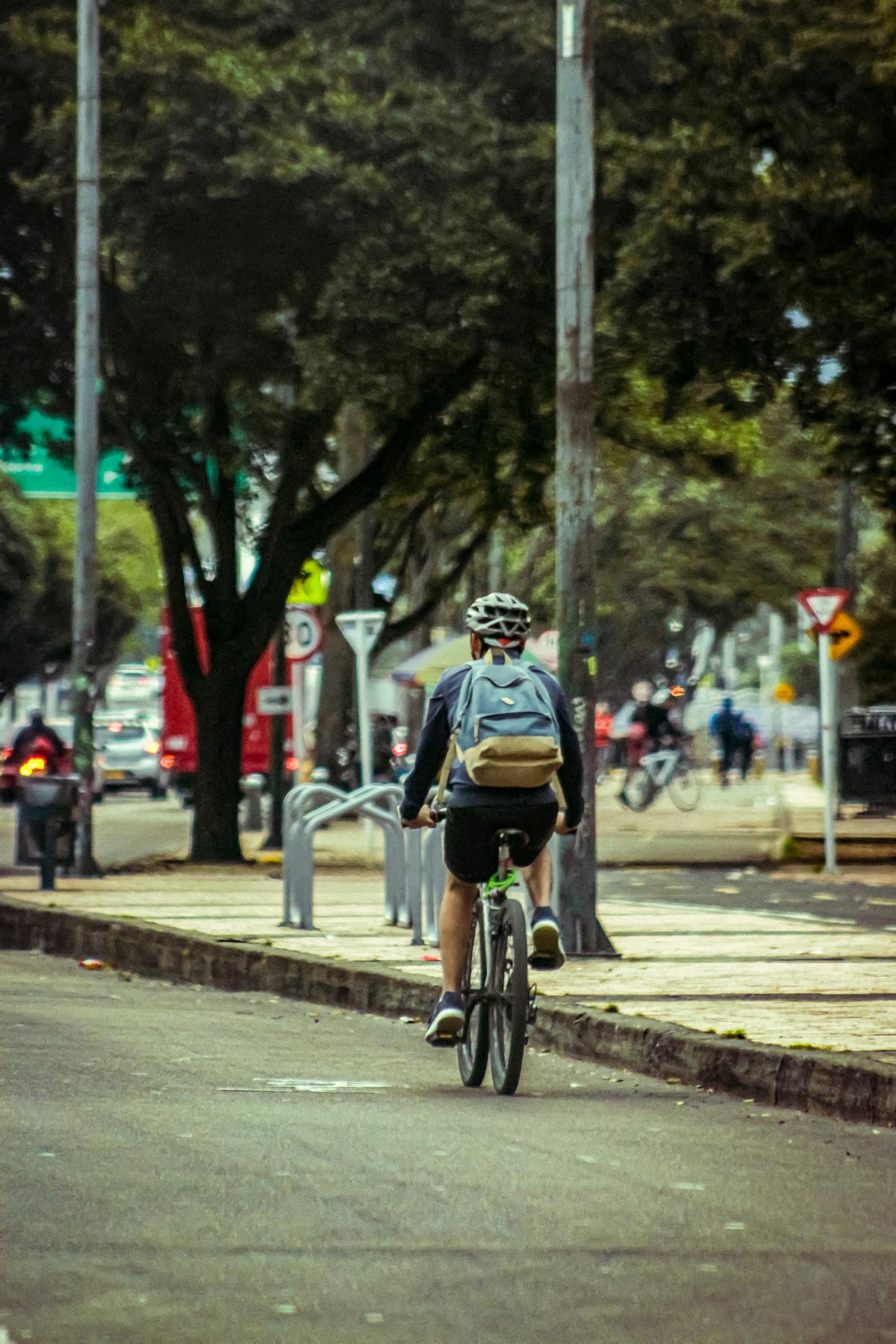
Urban commuting is shaped by intersections, parked vehicles, pedestrians, turning traffic, road surfaces, and changing lane conditions. A calmer ride begins with looking ahead rather than reacting at the last second.
Intersections
Watch turning vehicles, crossing pedestrians, changing lights, and traffic entering from side streets.
Parked Cars
Allow room for doors, vehicles pulling out, and people stepping into the street.
Road Surface
Scan ahead for potholes, drains, debris, wet markings, uneven pavement, and temporary road work.
Position
Avoid unnecessary weaving and make changes in direction deliberately and with adequate awareness.
Weather Readiness
Rain, wind, cold, heat, and reduced visibility change both comfort and bike handling. Commuter preparation should respond to the forecast rather than relying on the same setup every day.

Everyday Carry
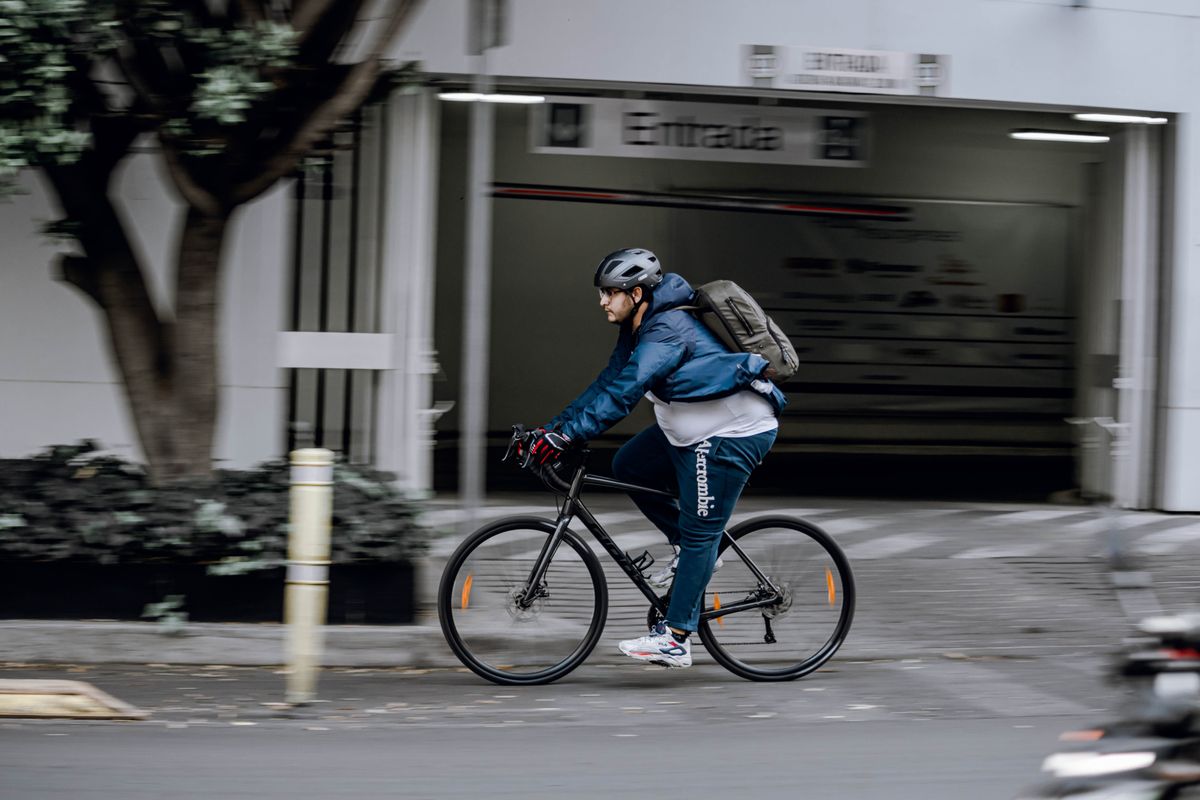
A commute often includes work items, water, tools, clothing, groceries, or personal essentials. When possible, let the bicycle carry the load in a way that keeps steering, pedaling, wheel movement, and access clear.

Low-Light Riding
Morning darkness, evening traffic, rain, shadows, and changing street lighting can make a familiar route feel very different. Visibility equipment should be part of the routine rather than something added only occasionally.
Front Light
Keep the light charged, securely mounted, and positioned for the route and surrounding conditions.
Rear Light
Avoid placing bags, clothing, or cargo where they can block the rear light.
Reflectors
Reflective elements can complement active lighting across changing urban environments.
Mounting
Confirm that lights remain aligned and secure after bags, mounts, or other accessories are adjusted.
Parking Routine
Waiting until you reach the destination to think about locking can leave you with limited options. Know where you usually park, what the bicycle can be secured to, and how your lock or alarm will travel with you.
Consider the location, surrounding activity, duration of the stop, and available fixed objects.
Make sure the lock can connect the intended part of the bicycle to the object used for securing it.
Use a compatible bracket, bag, basket, or rack arrangement so the security equipment remains manageable.
Consider whether removable lights, electronics, bags, or other items should travel with you after parking.

Weekly Bike Care
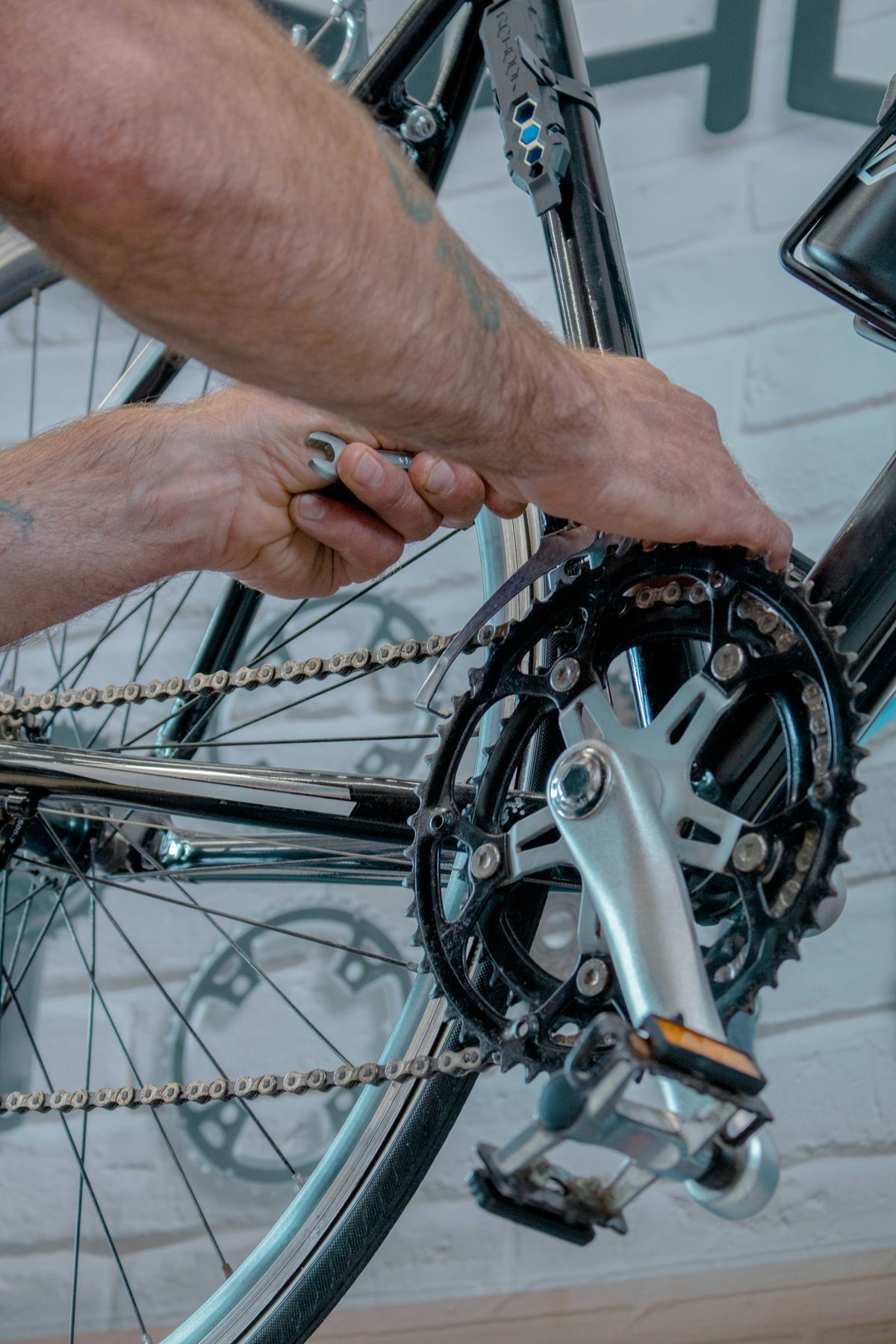
A commuter bicycle is used repeatedly, often in traffic and changing weather. Regular inspection helps catch wear, loose accessories, low pressure, dirt buildup, and adjustment needs before they interrupt the routine.
Tires
Look for visible damage, embedded debris, unusual wear, and pressure changes.
Accessories
Inspect lights, phone mounts, racks, bags, baskets, straps, bottles, and other attached equipment.
Cleaning
Use appropriate cleaners and brushes to keep frequently used areas easier to inspect and maintain.
Tools
Replace used patches, tubes, or supplies and make sure the tools you rely on are still complete.
Before Every Commute
A repeatable routine removes guesswork. Use the same quick check before leaving so small details do not become problems halfway through the ride.
Need Product Guidance?
Rydessa support is available 24/7 for questions about product compatibility, mounting, carrying options, repair essentials, orders, returns, and exchanges. Free shipping applies to all products, standard delivery is 3–5 calendar days, and free returns and exchanges are available within 30 days.