Protect Before Moving
Check helmet fit, protective equipment, grips, pedals, and the bicycle's basic condition before entering the road.
Rydessa Safety & Security
A more prepared ride begins before the bicycle starts moving and continues after it is parked. Protection, visibility, street awareness, secure accessories, locks, alarms, and a consistent routine all play a role in everyday cycling.
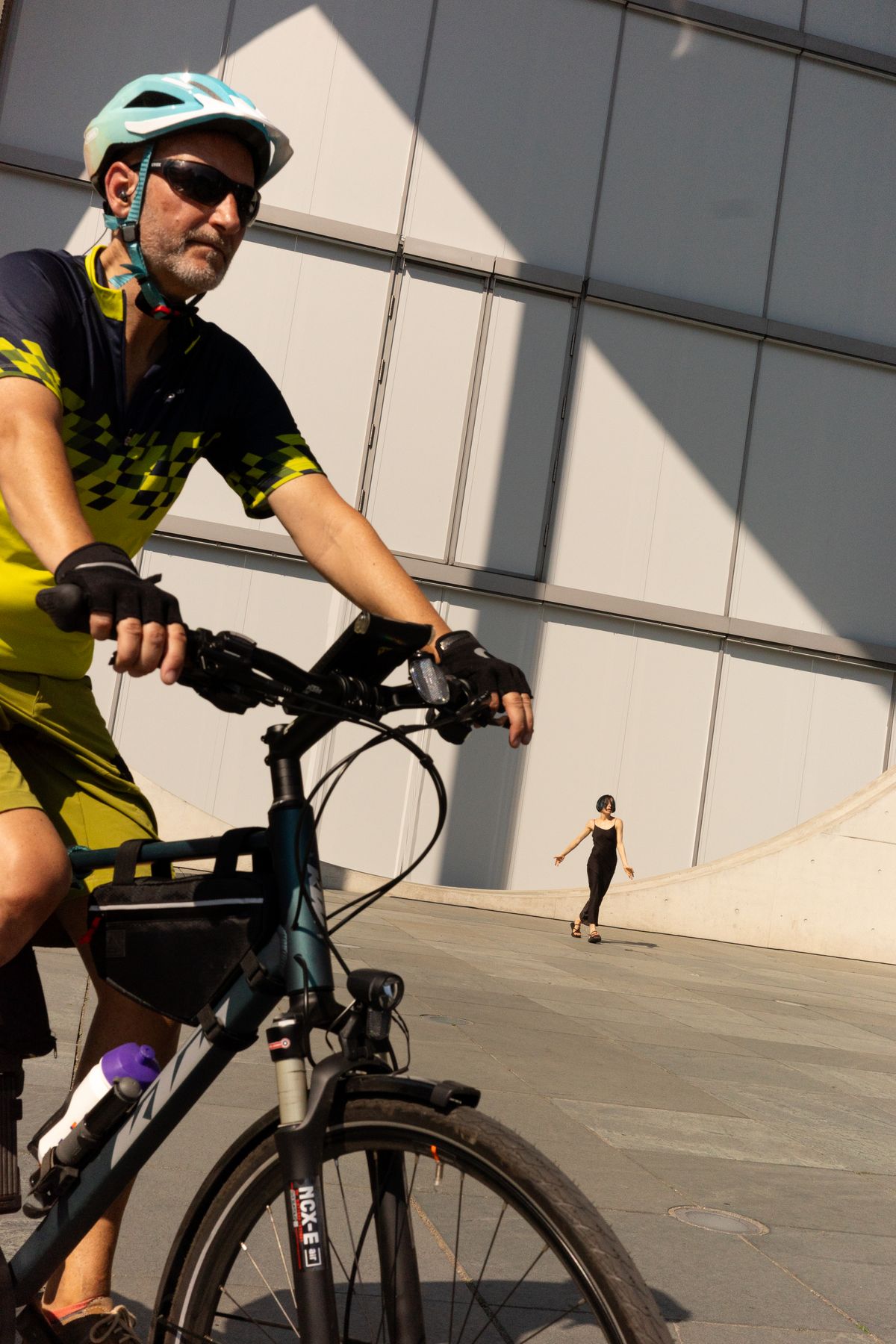
Safety Path
Move through the essentials in a practical sequence: preparation, protection, awareness, visibility, security, and the final check.
Four Foundations
A repeatable setup helps make protection, visibility, accessory fit, and parking preparation part of normal riding rather than last-minute decisions.
Check helmet fit, protective equipment, grips, pedals, and the bicycle's basic condition before entering the road.
Review lights and reflective equipment before rides where darkness, weather, traffic, or shadows reduce visibility.
Keep bags, racks, bottles, baskets, phone mounts, and straps clear of steering, wheels, pedals, and controls.
Know how your lock or alarm will travel and which removable accessories should come with you after parking.
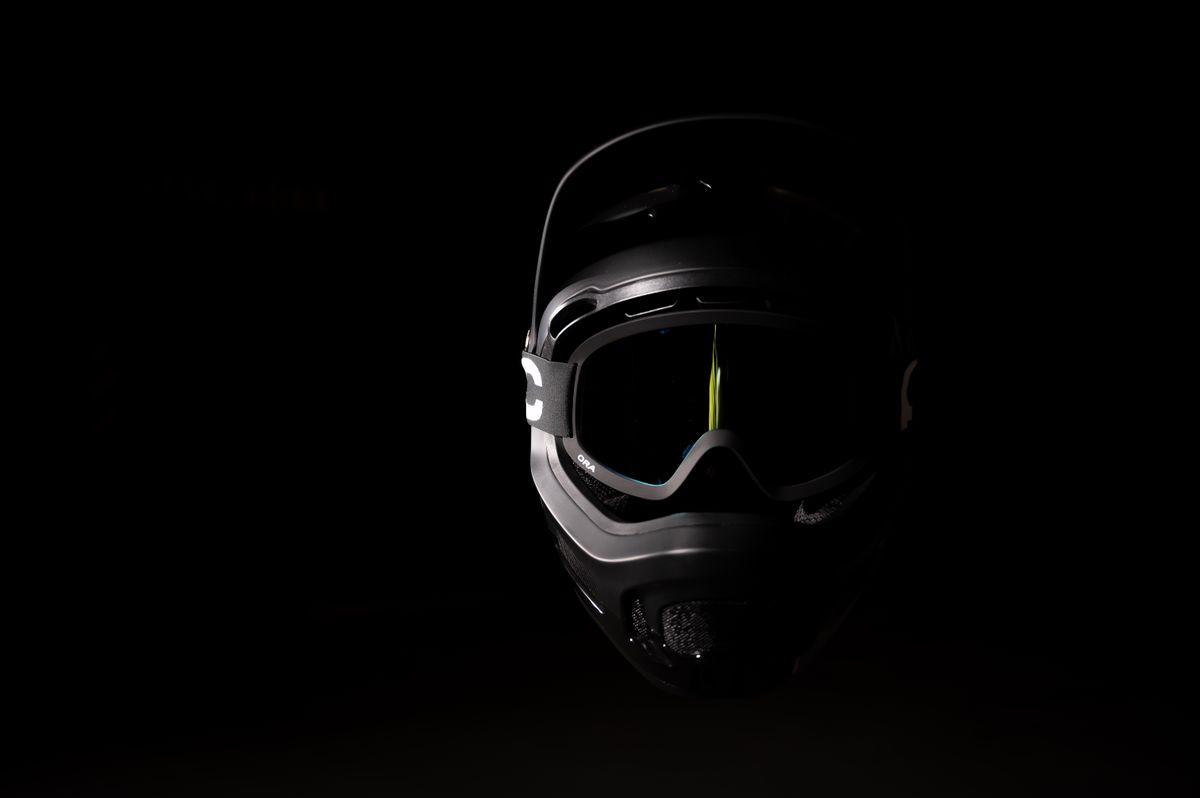
Protection First
Protective equipment should work with the rider, the bicycle, and the intended type of riding. Fit, adjustment, condition, comfort, and coverage all deserve attention before leaving.
Sizing
Review product sizing guidance and make sure adjustment ranges suit the intended rider.
Adjustment
Review straps, retention systems, closures, and adjustment points before use.
Condition
Look for visible damage, unusual wear, loose parts, or changes in normal fit.
Ride Type
Choose equipment that is appropriate for the cycling environment and intended activity.
Street Awareness
Urban conditions change around intersections, parked cars, pedestrians, driveways, road work, and turning traffic. Looking farther ahead gives you more time to respond smoothly.
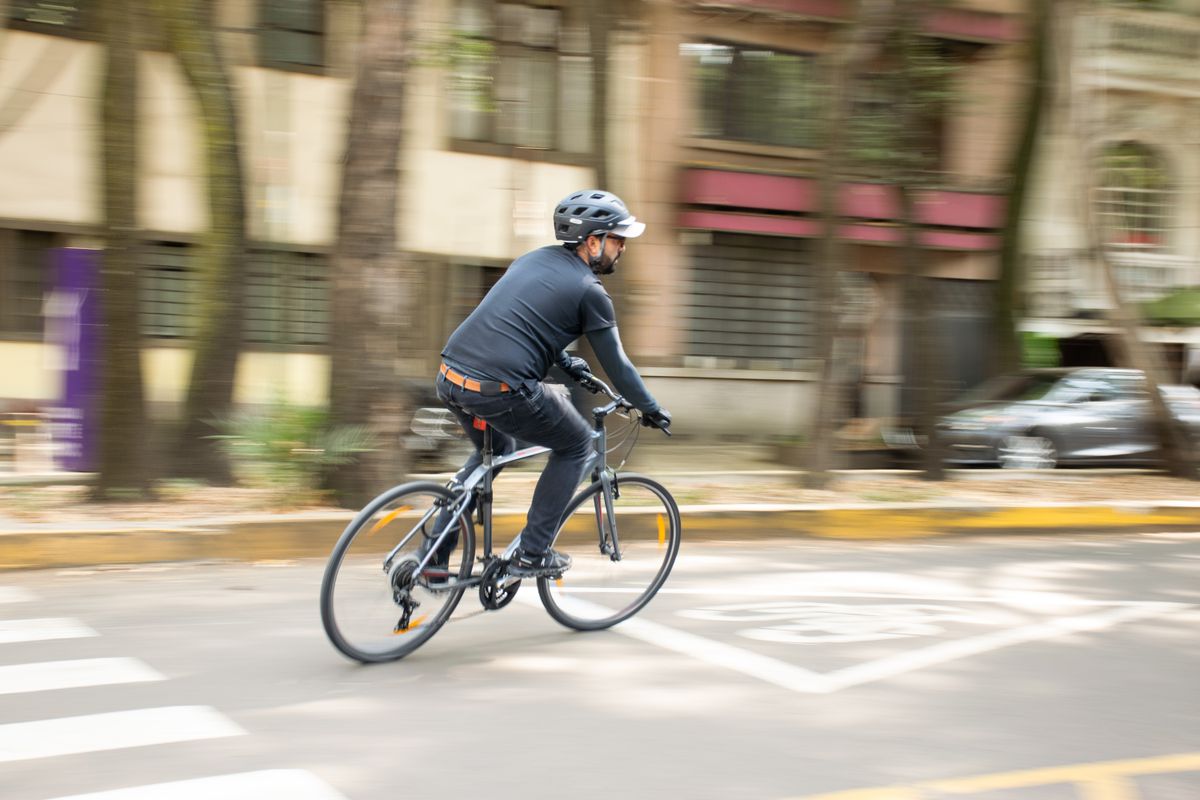
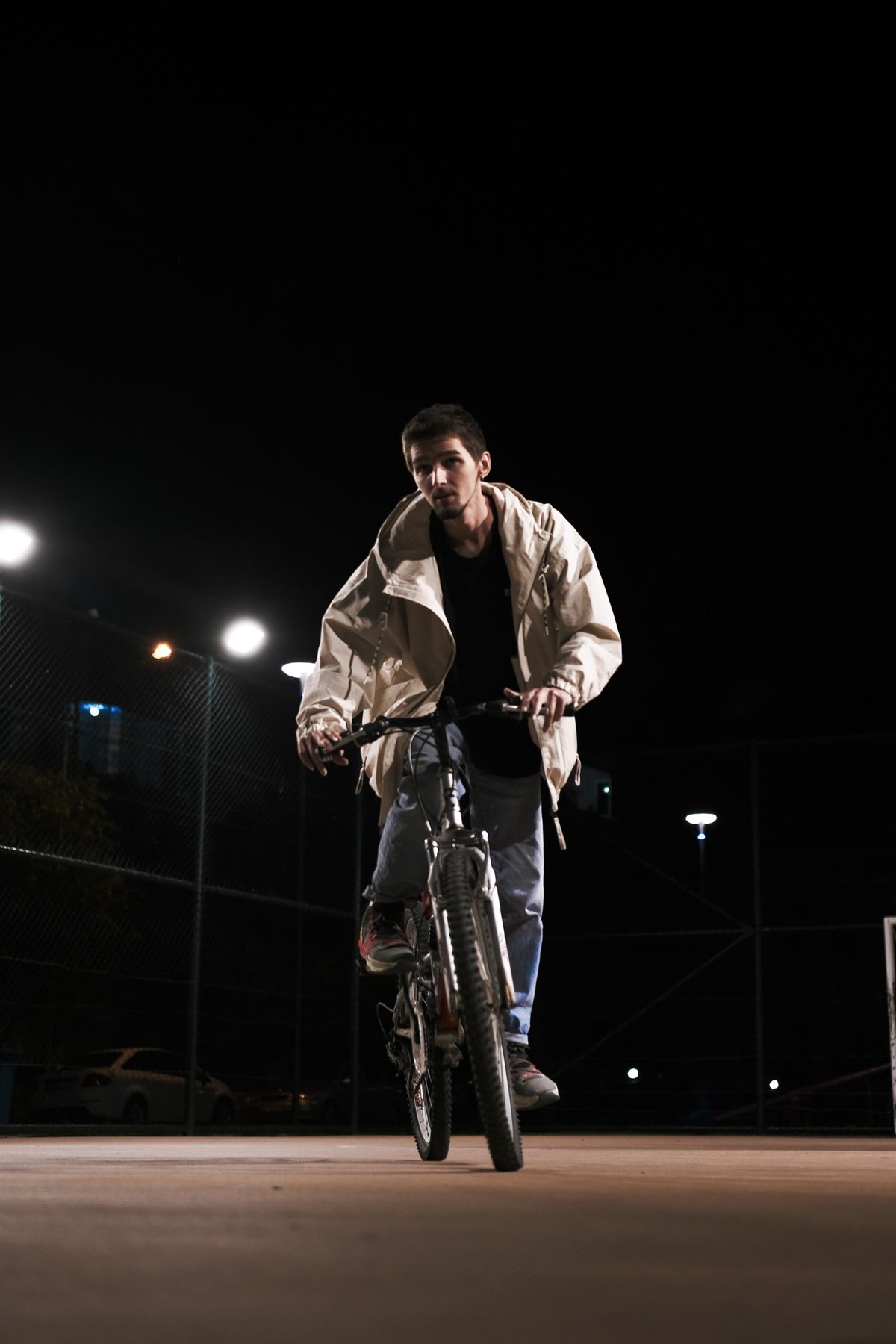
Visibility Setup
Darkness, rain, traffic, cloud cover, and shadows can change visibility quickly. Lighting and reflective equipment should be checked before they are needed.
Bike Security
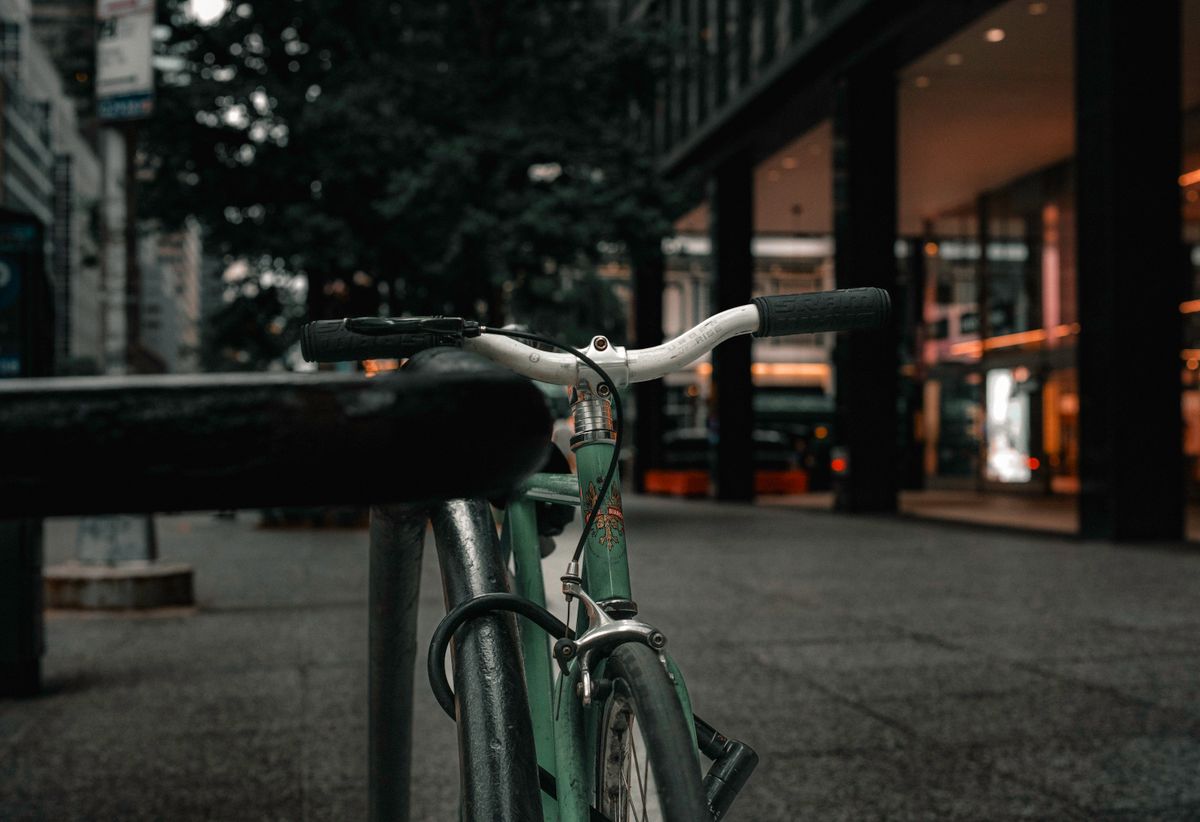
Security works better when parking is considered before arrival. Think about the bicycle, the fixed object, lock reach, how the lock will travel, alarm placement, and removable equipment.
Low-Light Safety
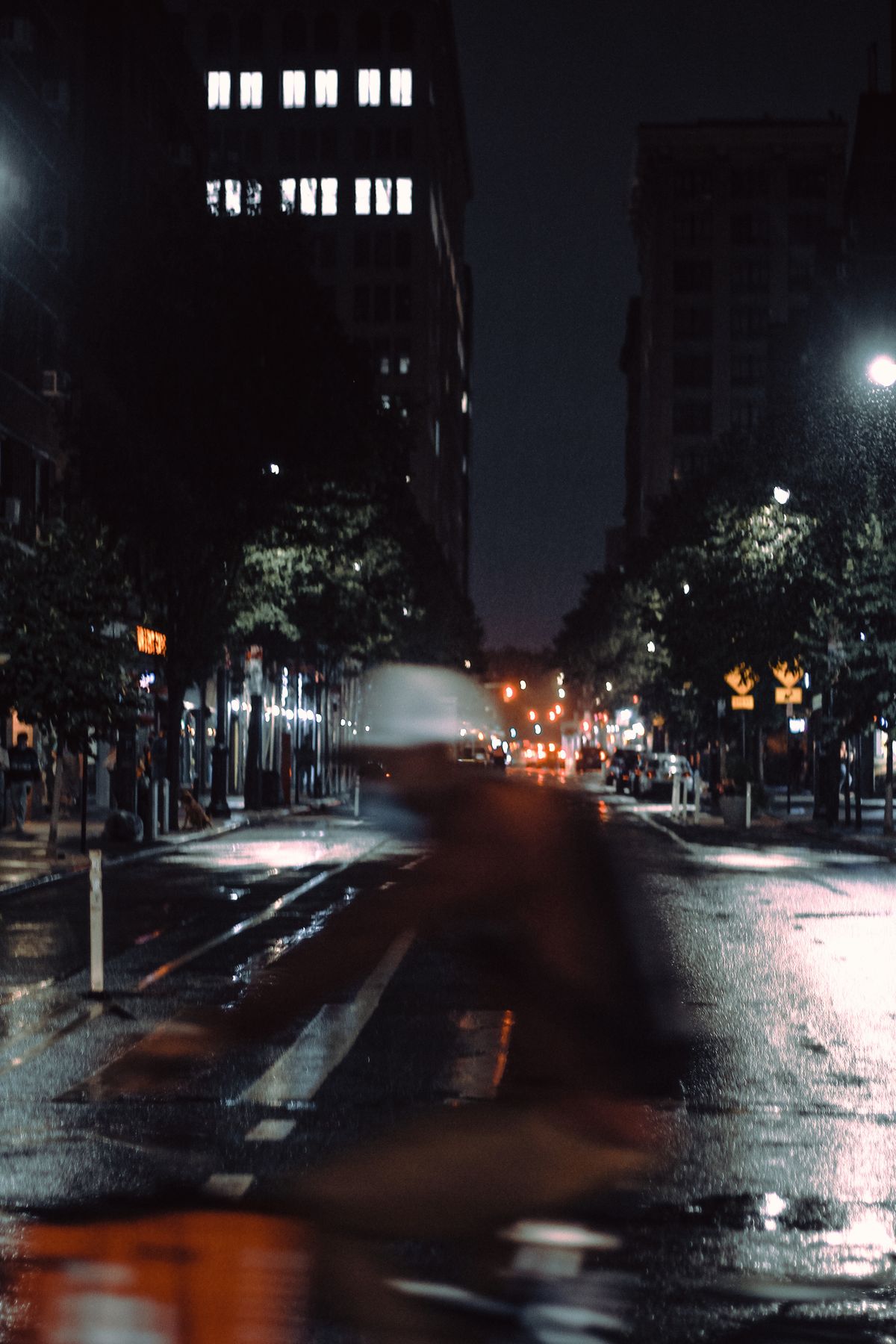
Familiar streets can feel different after sunset. Lighting, reflective equipment, wet roads, glare, route conditions, and accessory placement should all be reconsidered when visibility decreases.
Power
Confirm your lighting has enough available power for the expected ride.
Alignment
Recheck orientation after moving bags, mounts, racks, or other accessories.
Route
Shadows, glare, wet streets, and darker sections can change the familiar route.
Weather
Rain and reduced contrast can make additional visibility preparation useful.
Layered Security
A lock is one part of the parking routine. Lock choice, alarm use, parking awareness, and handling removable accessories can complement one another.
Layer 01
Choose dimensions and a carrying method that work with your bicycle and typical parking situations.
Layer 02
Review mounting, sensitivity, controls, power requirements, and how the alarm fits the rest of the setup.
Layer 03
Consider the fixed object, surrounding activity, expected parking time, and general environment.
Layer 04
Decide which portable electronics, bags, lights, and personal items should leave the bicycle with you.
Before You Roll
Use one short routine before riding and another before leaving the bicycle parked.
Need Product Guidance?
Rydessa support is available 24/7 for questions about helmets, lights, reflectors, bells, mirrors, locks, alarms, mounting, compatibility, orders, returns, and exchanges. Free shipping applies to all products, standard delivery is 3–5 calendar days, and free returns and exchanges are available within 30 days.